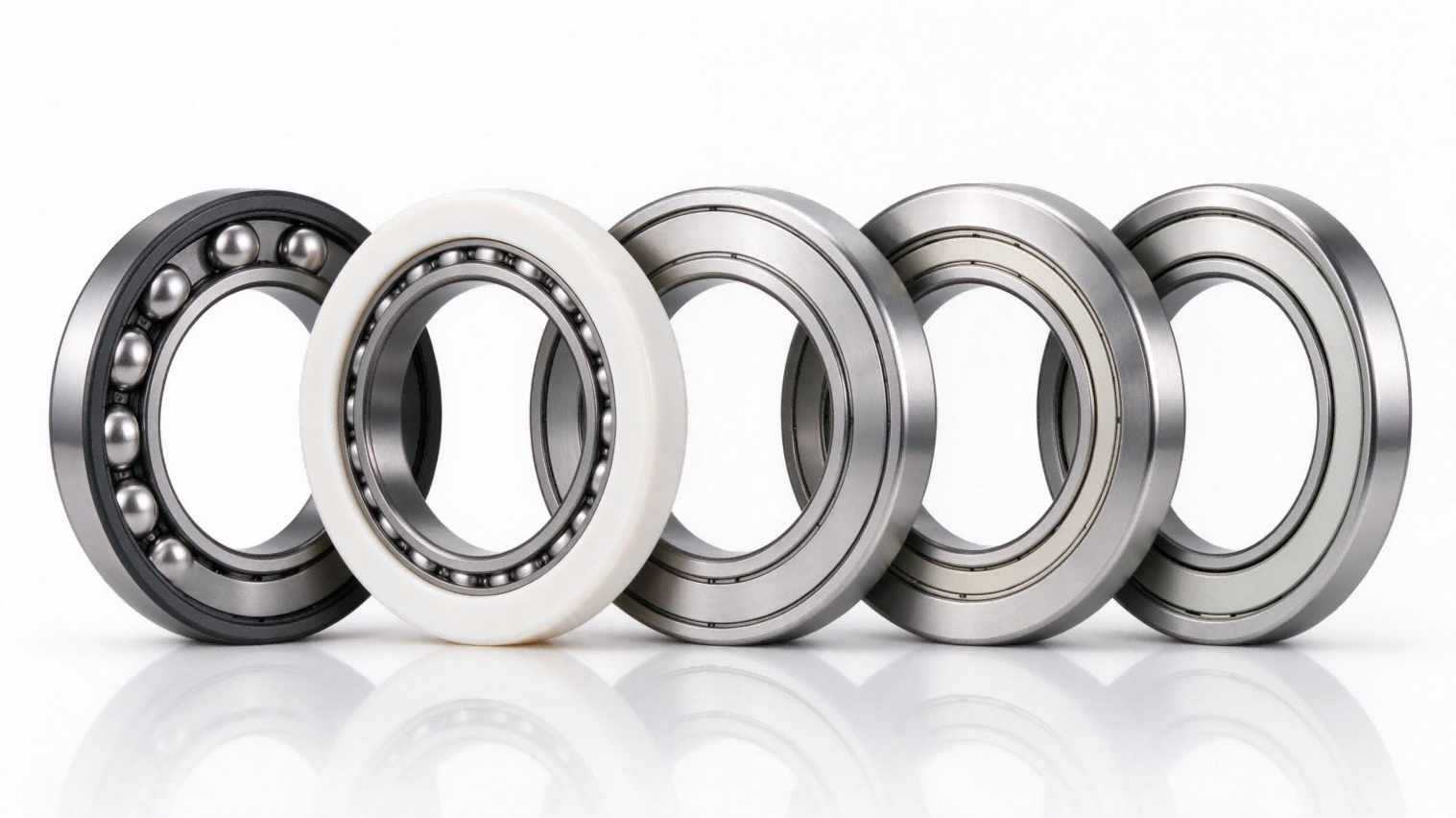
Metric Ball Bearings: A Complete Guide for Global Buyers
Metric Ball Bearings: A Complete Guide for Global Buyers
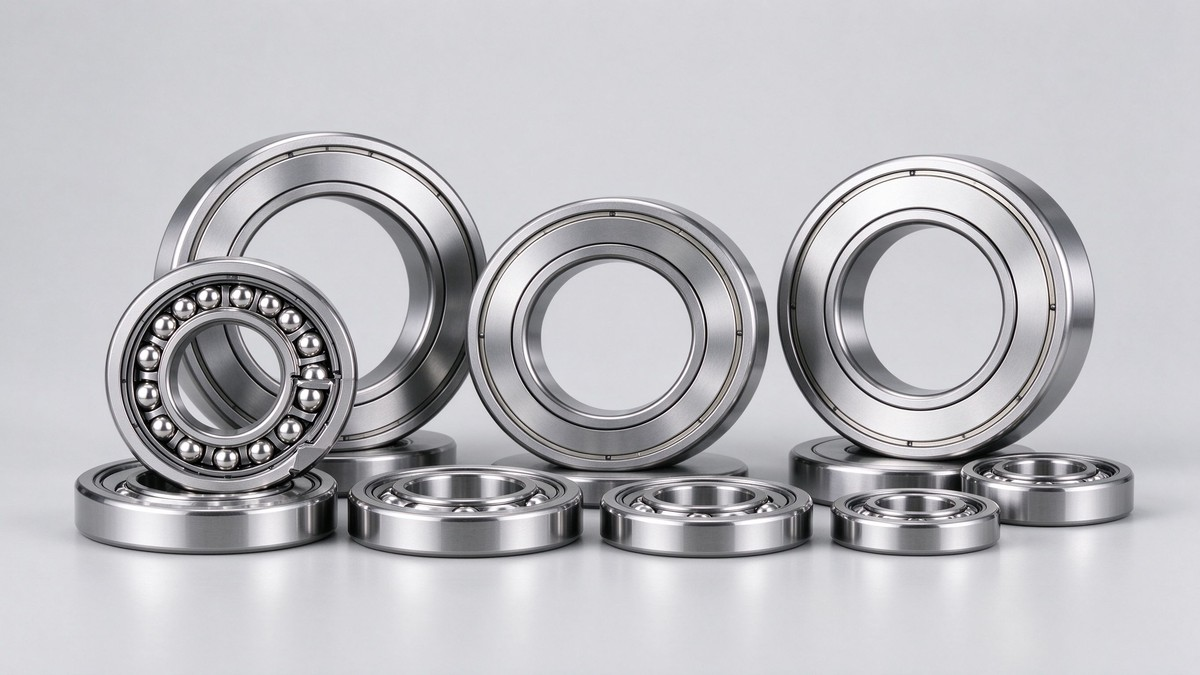
Metric ball bearings are among the most widely used types of rolling bearings. Designed with dimensions specified in millimeters, they are commonly used in electric motors, pumps, wheels, and a wide range of industrial applications. This guide explains what buyers need to consider when sourcing metric ball bearings and why our factory is a reliable manufacturing partner.
Why Metric Bearings Are the Preferred Choice
Metric Bearings vs. Inch Bearings
| Feature | Metric | Inch |
| Unit | mm | inches |
| Standards | ISO 15 / DIN 625 | ANSI / ABMA |
| Availability | Global stock | Limited |
| Applications | Motors, pumps, autos | Old US gear |
| Replacement | Easy, brand-swappable | Harder |
Metric bearings use millimeters (mm) as their unit of measurement and are standardized primarily under ISO 15 and DIN 625 (where applicable). They are widely available worldwide and are the default choice for electric motors, pumps, automotive components, and most modern industrial equipment.
Inch bearings, by contrast, are dimensioned in inches and follow ANSI/ABMA standards depending on the bearing type. They are most commonly found in legacy machinery and equipment originally designed around inch-based dimensions. When replacing bearings, inch-based replacements may require additional dimensional verification compared to metric bearings, where matching specifications is generally more straightforward.
What Matters Most to Buyers
Tolerances and Precision
ABEC and ISO Tolerance Classes
Bearing precision classes define permissible dimensional and rotational tolerances, which affect fit, running accuracy, and application performance. Common ISO tolerance classes include Normal (Class 0), P6, P5, P4, and higher-precision classes.
ABEC ratings are commonly used in accordance with the applicable ABMA standards, while ISO precision classes are widely used internationally. Although certain classes are broadly comparable, ABEC and ISO classifications should not be treated as universally interchangeable without checking the relevant technical specifications.
P0 to P5 Precision Classes
For standard metric ball bearings, confirm the required tolerance class with the manufacturer before ordering. Typical options include P0 (Normal), P6, and P5, with P4 available for applications requiring higher precision.
Materials
AISI 52100 chrome steel is widely used for bearing rings and rolling elements because of its high hardness, wear resistance, and load-carrying capability.
AISI 440C stainless steel offers improved corrosion resistance compared with conventional bearing chrome steel and is suitable for applications exposed to moisture or mildly corrosive environments.
Material selection should be based on operating conditions, including load, speed, temperature, lubrication, and exposure to corrosive substances.
Seals and Internal Clearance
2RS seals are rubber or elastomeric contact seals designed to retain lubricant and help prevent dust, moisture, and other contaminants from entering the bearing.
ZZ shields are non-contact metal shields that help retain grease and protect against larger contaminants while generally offering lower friction than contact seals. They are often suitable for higher-speed applications, subject to the bearing design and operating conditions.
Open bearings have no integral seals or shields and are suitable for applications where external sealing, lubrication, or maintenance is managed separately.
Internal clearance is another important selection factor. Common designations include C0 (Normal clearance), C2 (less than Normal), C3 (greater than Normal), and C4 (greater than C3). The appropriate clearance depends on operating temperature, interference fits, rotational speed, and loading conditions.
Price, Minimum Order Quantity (MOQ), and Lead Time
When comparing suppliers, buyers should evaluate factory-direct pricing, minimum order quantities, production lead times, and quality consistency together.
A competitive quotation should be assessed against the bearing's material specifications, precision class, sealing configuration, inspection requirements, packaging, and after-sales support. The lowest unit price does not necessarily represent the lowest total procurement cost.
Why Choose Our Factory?
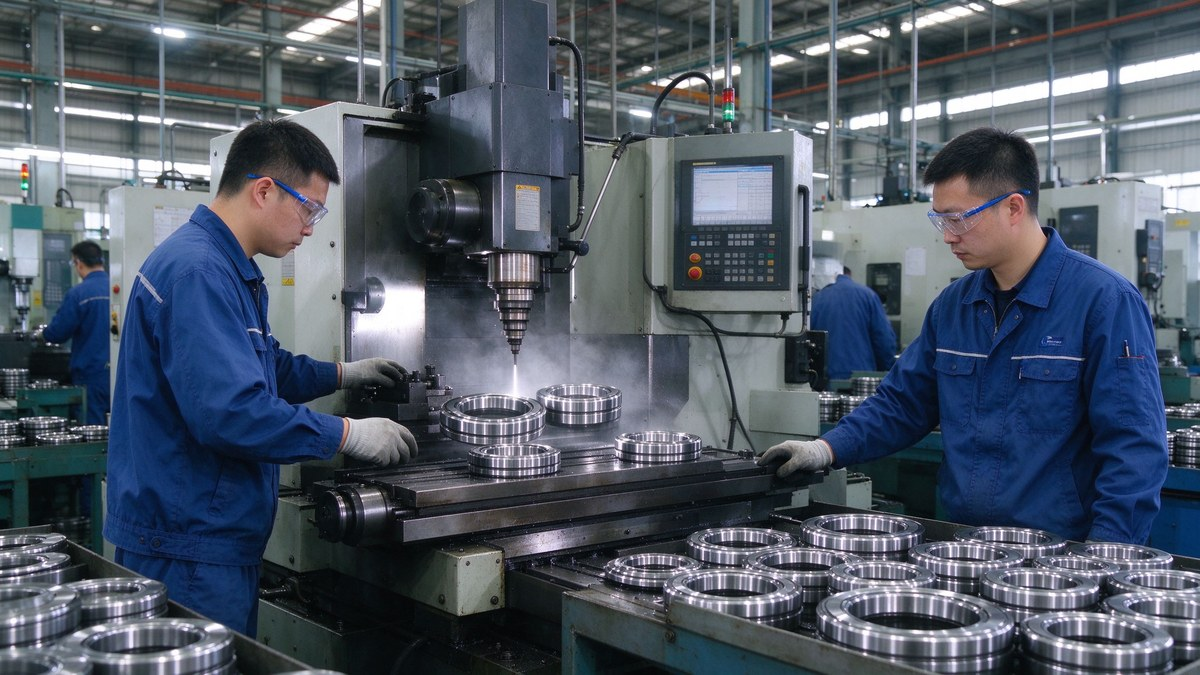
Specialized Bearing Manufacturer
ISO 9001-Certified Quality Management
With 20 years of experience, we specialize in the manufacture of metric ball bearings under an ISO 9001-certified quality management system.
Our focus is on consistent product quality, reliable manufacturing processes, and meeting the technical requirements of customers across different industries.
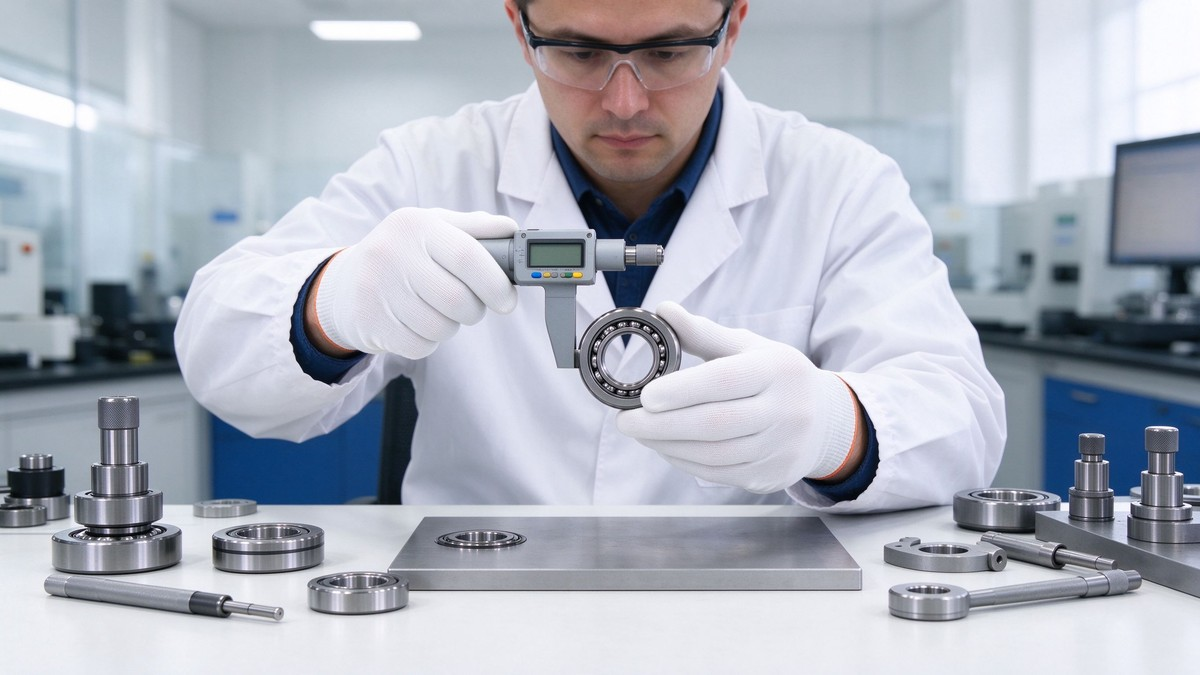
Comprehensive Inspection and Quality Control
Every production lot undergoes dimensional, noise, and precision inspections in accordance with the applicable product specifications and agreed inspection procedures.
Inspection records help verify product conformity and support consistent quality across batches. Specific inspection coverage and acceptance criteria can be confirmed according to customer requirements.
OEM Manufacturing Services
Custom Dimensions and Private Label Packaging
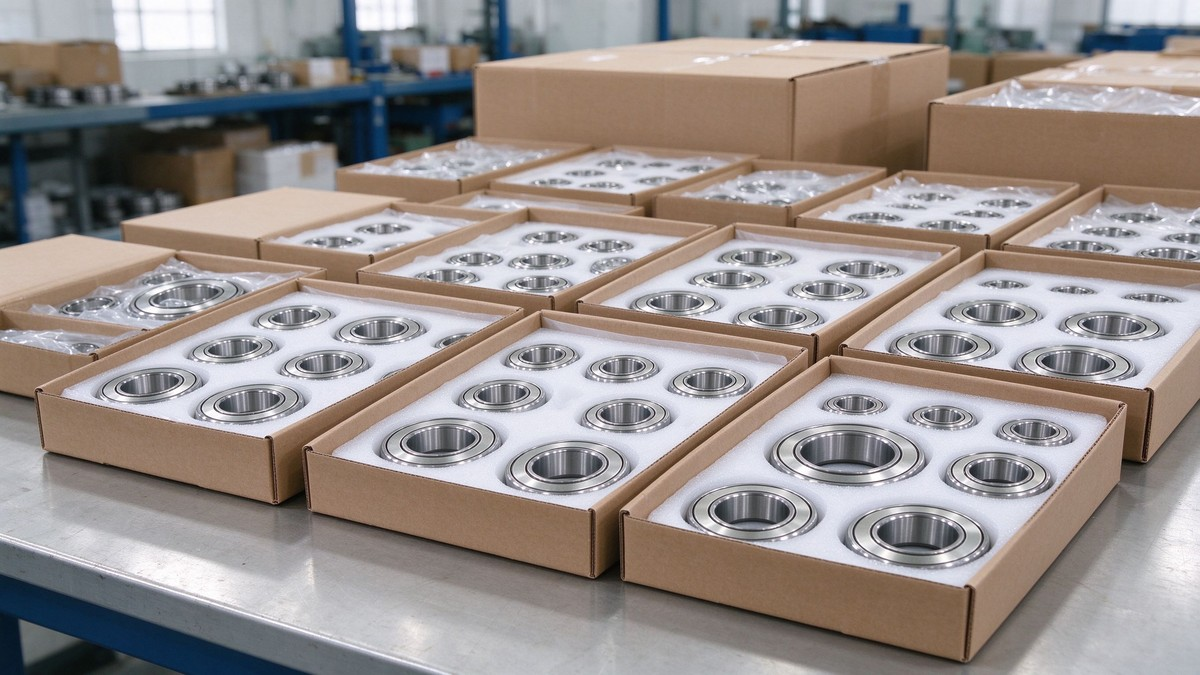
We provide OEM manufacturing services for customers requiring non-standard bearing dimensions, customized specifications, and private label packaging.
Based on customer-approved drawings and technical requirements, we can support customized production and packaging solutions for different markets and applications.
Direct Factory Supply
By supplying bearings directly from our factory, we aim to provide consistent quality, competitive pricing, and dependable delivery schedules.
Our manufacturing and order coordination processes are designed to support both recurring orders and long-term supply partnerships.
Frequently Asked Questions (FAQ)
Q1: What Sizes of Metric Ball Bearings Do You Manufacture?
We offer metric ball bearings with bore diameters ranging from 3 mm to 50 mm, including popular 608, 6200, and 6300 series bearings.
Availability depends on the specific bearing model, dimensions, material, and configuration. Please contact us with your required part numbers or technical specifications for confirmation.
Q2: What Is the Difference Between 2RS, ZZ, and Open Bearings?
2RS: Features rubber contact seals on both sides to help retain lubricant and protect against dust and moisture.
ZZ: Features metal shields on both sides, offering contaminant protection with generally lower friction than contact seals.
Open: Has no integral seals or shields and is suitable for applications where lubrication and contamination protection are handled externally.
The best option depends on the required operating speed, environmental conditions, lubrication method, and maintenance requirements.
Q3: Which Tolerance Classes Can You Supply?
We can supply bearings in P0 (Normal), P6, and P5 tolerance classes, with inspection reports available according to the agreed requirements. P4 precision bearings can also be supplied upon request, subject to model availability and technical confirmation.
Please specify the required tolerance class when requesting a quotation.
Q4: What Are Your MOQ and Lead Times?
For available stock models, we can accommodate orders without a minimum order quantity, subject to stock availability and order conditions.
Typical lead times are as follows:
- In-stock bearings: Approximately 3–5 days for dispatch.
- Production orders: Approximately 10–15 days, depending on the model, order quantity, and production schedule.
Actual delivery times should be confirmed when placing an order.
Q5: Can You Manufacture OEM Bearings Under Our Brand?
Yes. We provide OEM bearing manufacturing and private label packaging services.
We generally arrange sample production for customer evaluation and approval before proceeding with mass production. For long-term cooperation, we can discuss annual supply agreements and manufacture products according to the customer's approved specifications, branding requirements, and packaging instructions.
Please provide your drawings, bearing models, estimated annual demand, and packaging requirements so that we can evaluate the project and prepare a quotation.
Bearing Manufacturer Selection Guide: How to Find a Reliable Bearing Supplier
Related Article