
Bearing Manufacturer Selection Guide: How to Find a Reliable Bearing Supplier
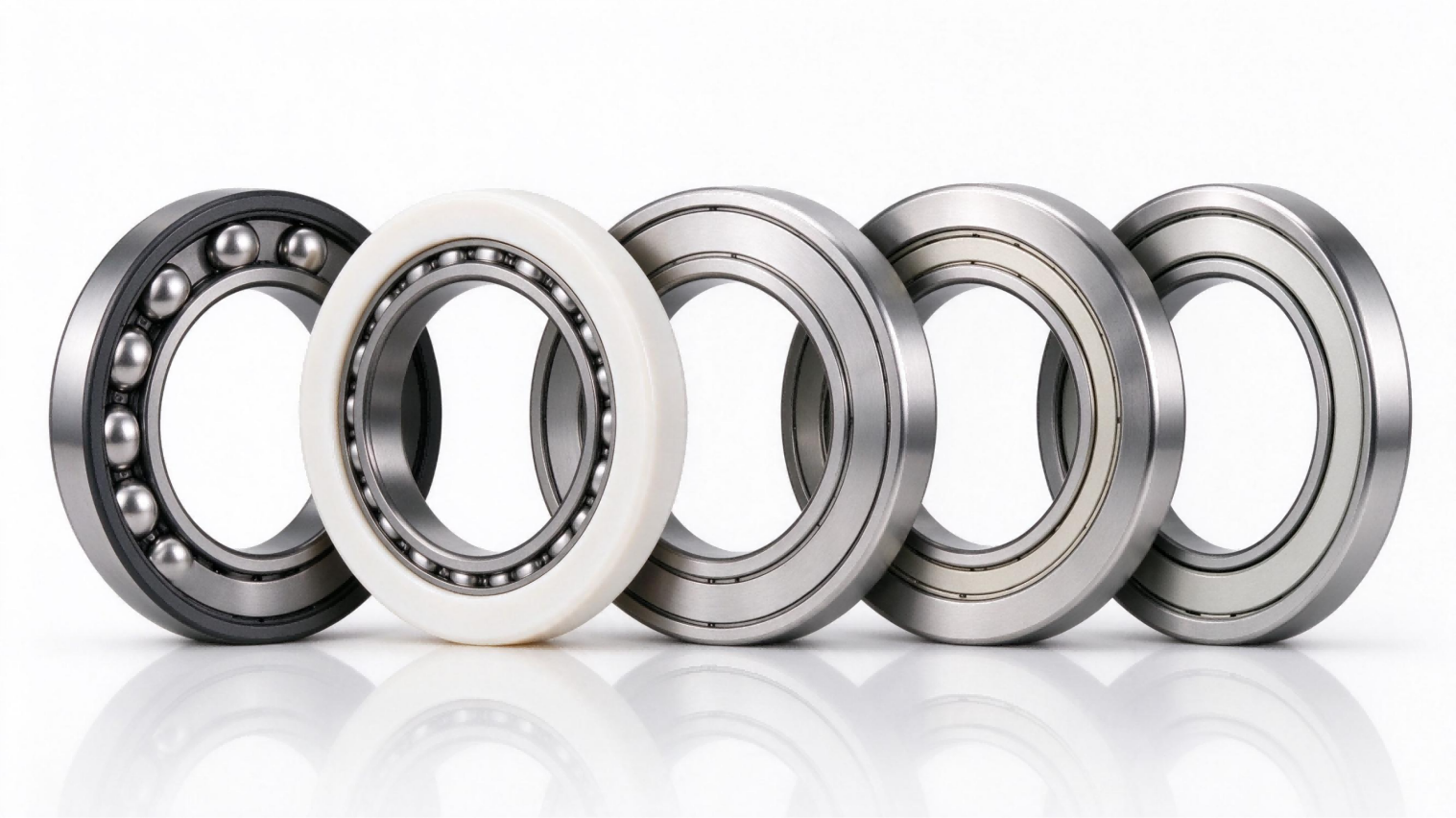
Bearing Manufacturer Selection Guide: How to Find a Reliable Bearing Supplier
Bearings are essential components in mechanical equipment and are often referred to as the "joints" of industrial machinery. From household appliances and automotive engines to wind turbines, nearly every piece of rotating equipment relies on bearings. Their precision and service life directly affect the overall performance, reliability, and efficiency of the equipment.
With thousands of bearing manufacturers worldwide, how can buyers quickly identify suppliers that offer reliable quality, competitive pricing, and consistent delivery? This guide explores the different types of bearing manufacturers, key evaluation criteria, and practical procurement strategies to help buyers establish a repeatable supplier qualification process and make informed purchasing decisions.
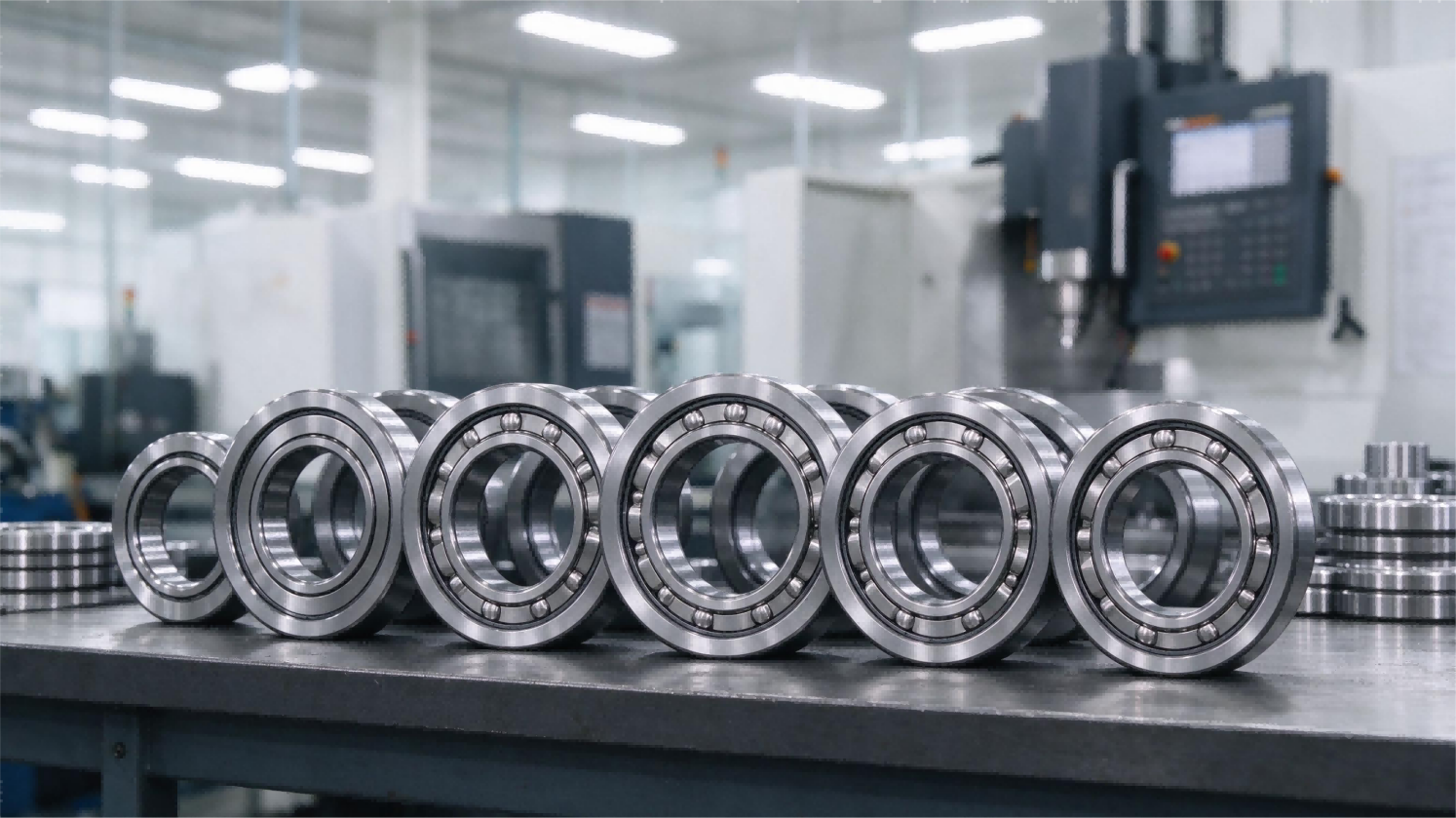
Overview of China's Bearing Manufacturing Industry
Major Manufacturing Clusters in China
China is the world's largest bearing producer, with well-established regional manufacturing clusters. Chinese manufacturers account for a significant share of global deep groove ball bearing production, offering substantial production capacity and competitive pricing. As a result, China remains a major sourcing destination for international buyers seeking cost-effective bearing solutions.
Specialized OEM and Contract Manufacturing Factories
Many medium-sized factories located in China's bearing manufacturing clusters specialize in specific product categories, such as deep groove ball bearings and ceramic bearings. These manufacturers often offer high production capacity, relatively short lead times, and flexible minimum order quantities (MOQs). They are particularly suitable for large-volume orders, customized products, and cost-sensitive procurement projects.
Common Bearing Types and Selection Criteria
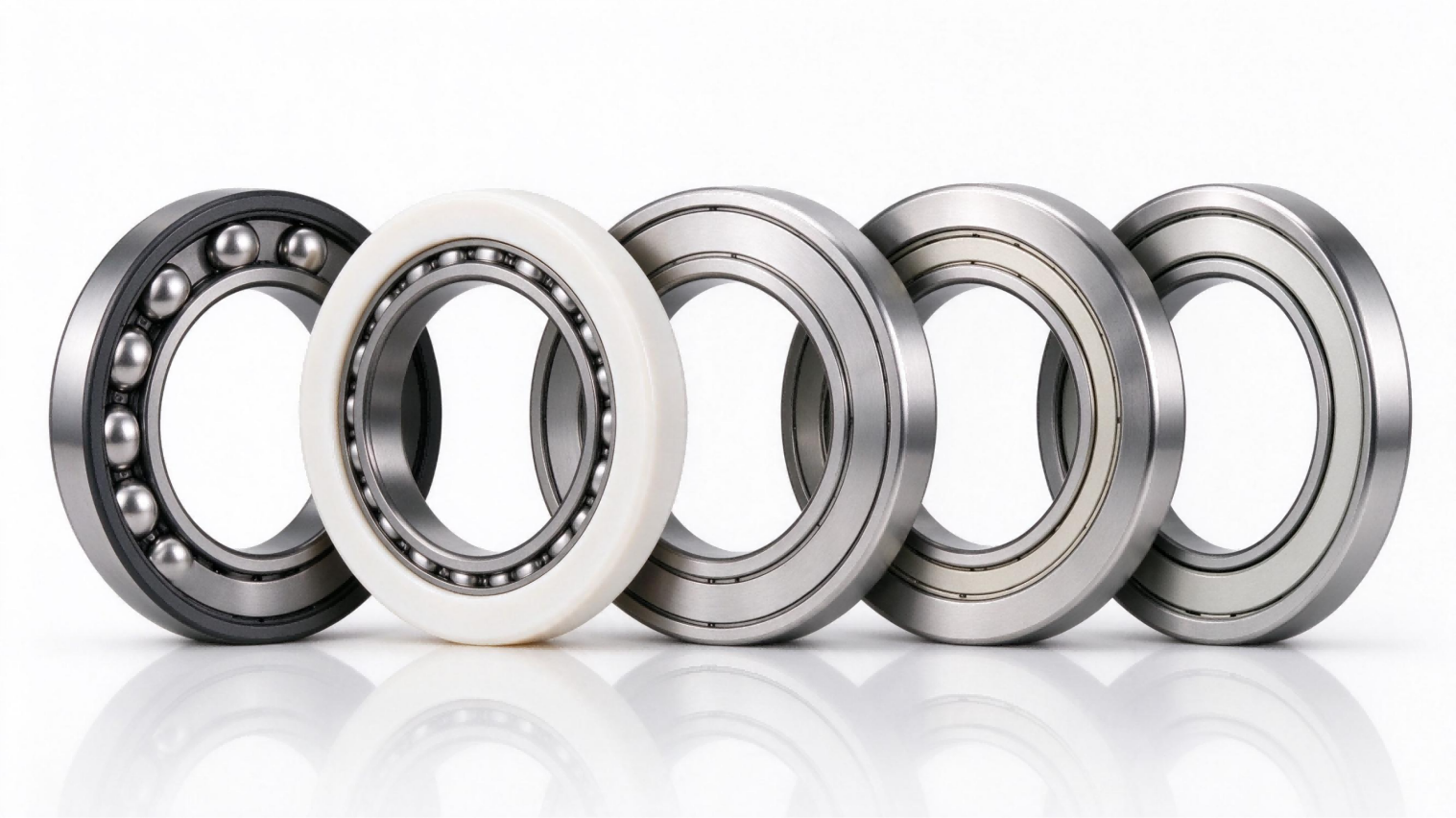
Deep Groove Ball Bearings
Deep groove ball bearings feature a simple structure, high-speed capability, and low noise levels. They are widely used in electric motors, household appliances, automotive wheel applications, and other rotating machinery.
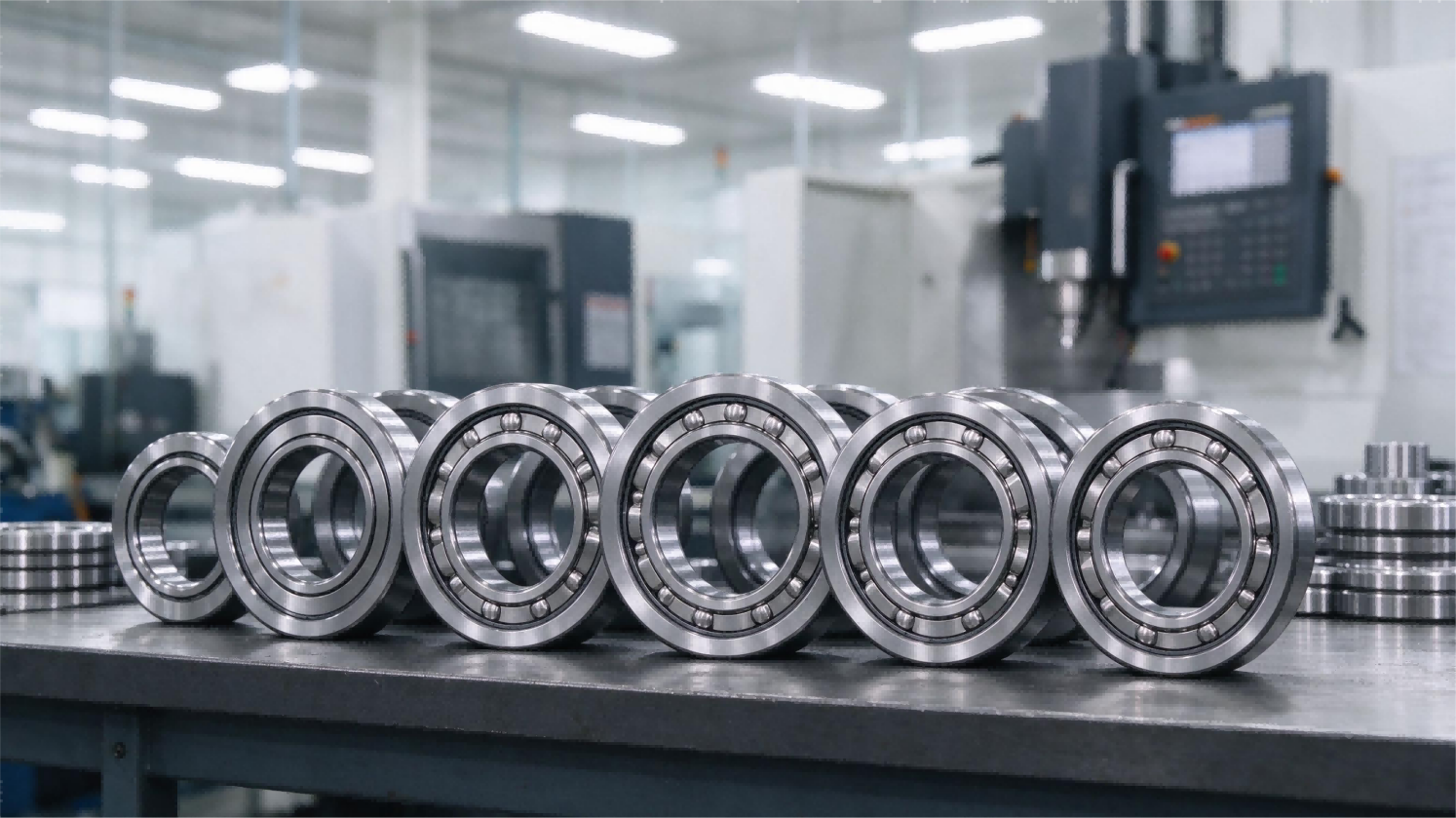
As one of the most widely purchased bearing types, deep groove ball bearings are also a useful benchmark for evaluating a manufacturer's mass-production capabilities, dimensional consistency, and overall quality control.
Ceramic Bearings
Ceramic bearings are manufactured using materials such as zirconium dioxide (zirconia) or silicon nitride. Depending on the material composition and bearing design, they can offer excellent electrical insulation, corrosion resistance, and high-temperature performance.
They are commonly used in semiconductor equipment, medical devices, and other demanding applications. Although their unit cost is generally higher than that of conventional steel bearings, they can be essential in applications where operating conditions require specialized material properties.
Stainless Steel Bearings
Stainless steel bearings are typically manufactured from materials such as 440C stainless steel or, for certain applications, 316 stainless steel. They offer corrosion resistance suitable for a range of environments and are widely used in food processing equipment, chemical processing systems, and marine applications.
When selecting stainless steel bearings, buyers should consider the specific alloy grade, operating environment, cleaning requirements, and applicable corrosion-resistance standards. The material should be matched to the actual application rather than selected solely on the basis of its stainless steel designation.
U-Groove Bearings
U-groove bearings feature a U-shaped groove on the outer ring, allowing them to guide and support movement along a compatible track or rail. They are commonly used in agricultural machinery, textile equipment, conveyor systems, and other applications requiring guided motion or positioning.
During selection, buyers should carefully verify the groove profile, groove dimensions, bearing size, dimensional tolerances, and compatibility with the mating track to ensure proper fit and reliable operation.
How to Evaluate a Bearing Manufacturer
Verify Certifications and Qualifications
ISO 9001 and IATF 16949
How to Verify Certifications
A reputable bearing manufacturer should have an appropriate quality management system, with ISO 9001 certification serving as a common baseline. Manufacturers supplying the automotive industry may also need IATF 16949 certification, depending on customer and supply-chain requirements.
Buyers should verify certificate validity, certification scope, issuing certification body, and the actual manufacturing site covered by the certificate. In China, relevant certification information can be checked through official certification information systems, including those operated by the Certification and Accreditation Administration of China (CNCA), where applicable.
However, holding a certificate does not automatically guarantee consistent product quality. Some factories may maintain documented certification systems without fully implementing the required procedures in their day-to-day operations. Buyers should therefore assess actual quality management practices, production controls, and inspection records rather than relying on certificates alone.
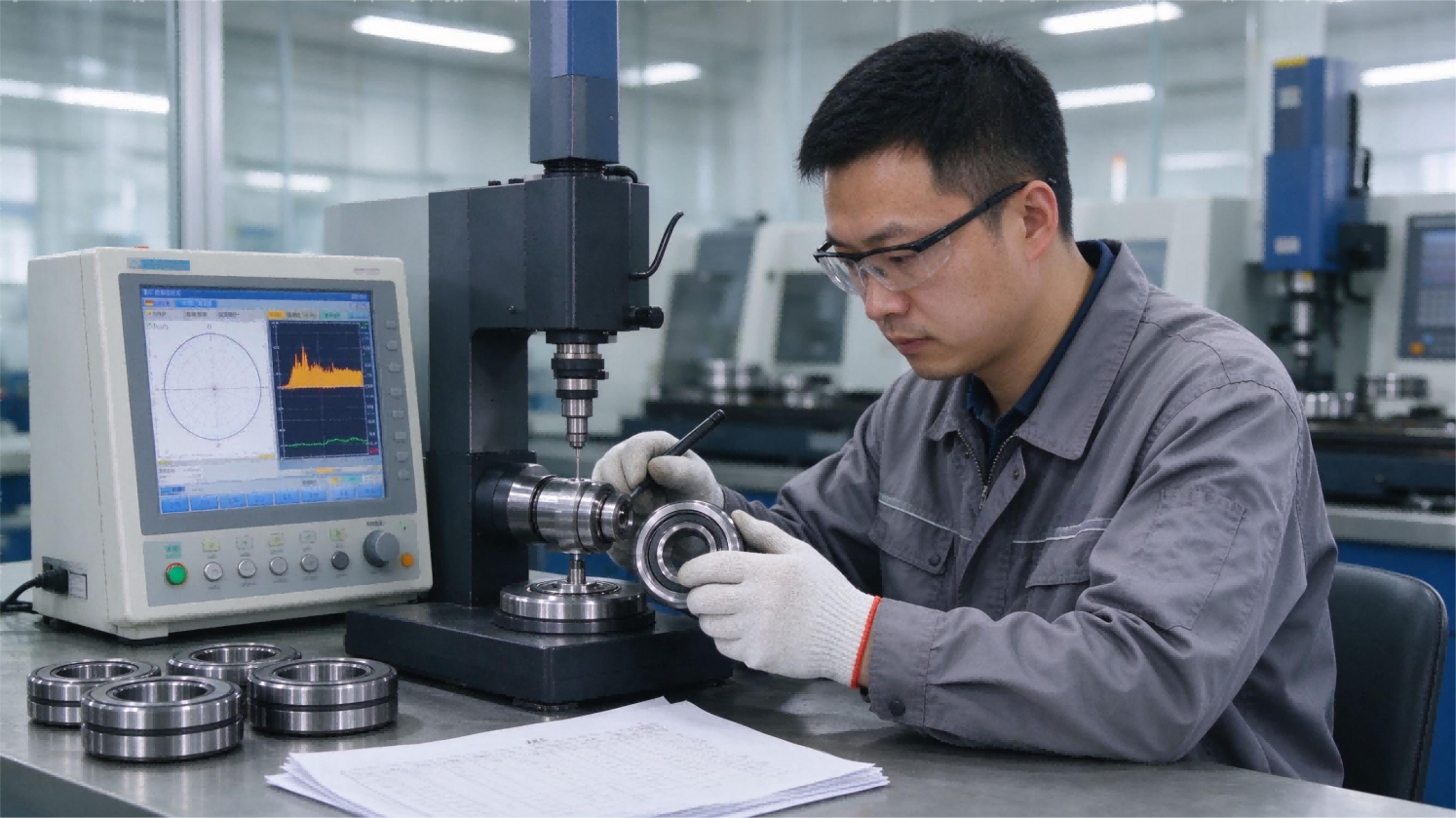
Assess Testing and Inspection Capabilities
Reliable bearing manufacturers should have appropriate inspection equipment, such as roundness measuring instruments, surface roughness testers, and vibration and noise testing systems.
They should also be able to provide batch-specific inspection reports and relevant test data to demonstrate conformity with the agreed product specifications.
For precision requirements, buyers should confirm the applicable tolerance class, such as P0, P6, P5, or other relevant designations under the specified standard. The more complete and traceable the inspection data, the easier it is to evaluate product consistency and verify compliance.
Evaluate R&D and Customization Capabilities
A manufacturer's ability to produce non-standard bearings, recommend alternative materials, and develop customized sealing structures can directly affect project feasibility and product performance.
Buyers should evaluate the manufacturer's engineering resources, prototyping lead times, and ability to support small-batch trial production.
Particular attention should be paid to whether sample production and trial production follow the same quality requirements, material specifications, and inspection criteria intended for mass production. Sample approval should be based on documented acceptance standards rather than appearance alone.
Review Delivery Performance and After-Sales Support
Confirm the manufacturer's inventory availability, production lead times, delivery commitments, rust-prevention packaging methods, and policies for returns, replacements, and quality claims.
Reliable delivery is essential to preventing production interruptions and supply-chain disruptions. The supplier's responsiveness to technical questions, complaint handling, root-cause analysis, and corrective actions should also be considered when evaluating its overall service capability.
Practical Bearing Procurement Strategies
Define Technical Specifications Clearly
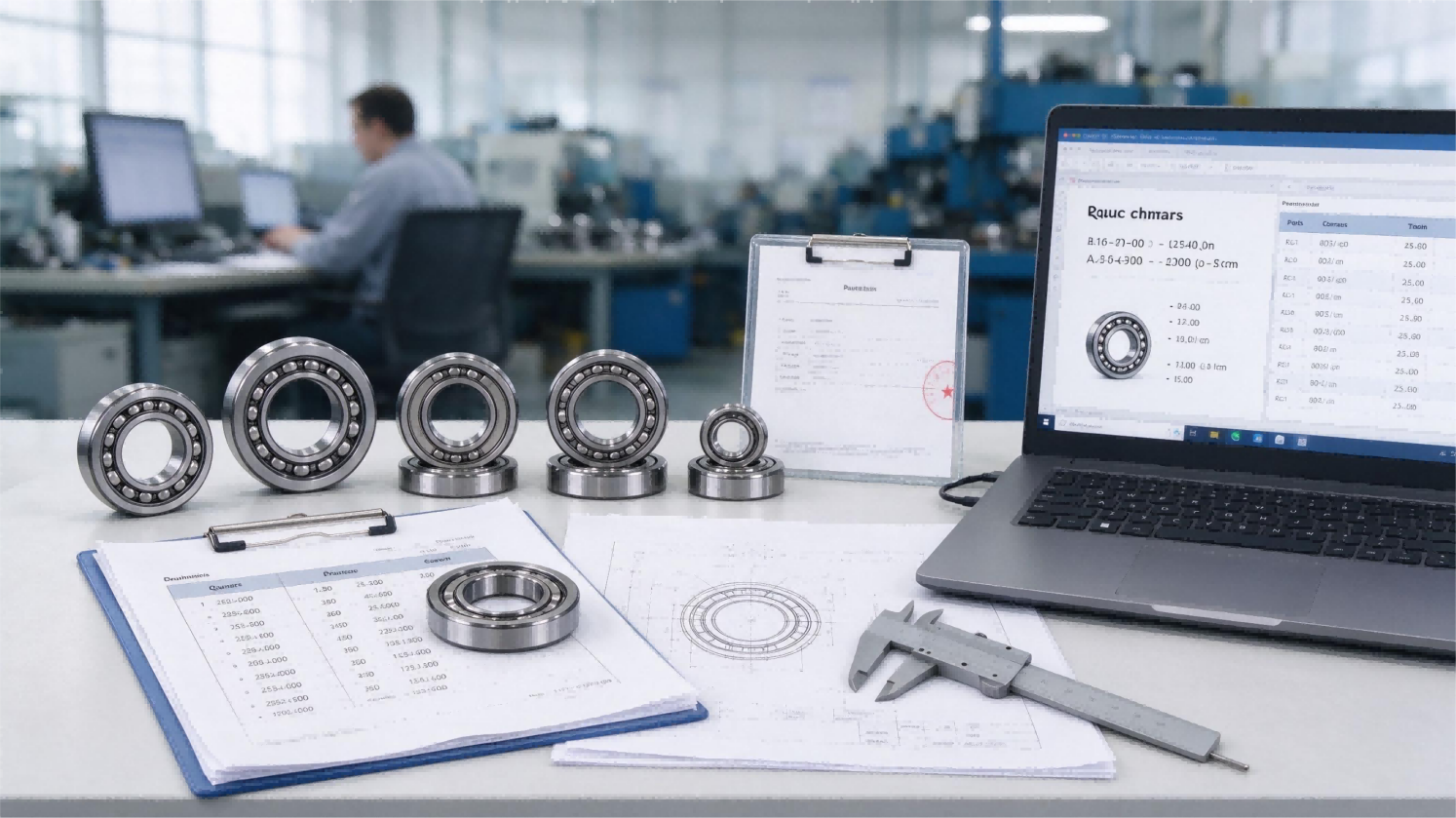
Before requesting quotations, establish the key technical requirements, including bore diameter, outside diameter, width, internal clearance, precision class, and lubrication method.
Depending on the application, additional requirements may include load capacity, rotational speed, operating temperature, sealing configuration, material grade, noise level, and service-life expectations.
When the correct bearing type is uncertain, provide the manufacturer with a detailed description of the operating conditions so that its engineering team can recommend a suitable model. Clear specifications help suppliers quote accurately, reduce misunderstandings, and minimize the risk of purchasing unsuitable products.
Approve Samples Before Placing Bulk Orders
Start with a small sample order and evaluate the bearings under relevant operating conditions, including noise, temperature rise, dimensional accuracy, and service life where practical.
Once the samples meet the agreed acceptance criteria, proceed with a small pilot production order before committing to larger quantities or an annual supply agreement.
Sample costs may be negotiable and can sometimes be credited against subsequent orders. Buyers should confirm this arrangement with the manufacturer in advance. A phased purchasing approach allows both parties to validate product quality and production consistency before entering into a long-term supply relationship.
Calculate the Total Cost of Ownership
When comparing quotations, consider more than the unit price. Additional cost factors include freight, import duties where applicable, inspection expenses, inventory holding costs, after-sales service, replacement costs, and potential production downtime caused by bearing failure.
A supplier offering the lowest initial price may not deliver the lowest overall cost if product inconsistency, delayed shipments, or inadequate technical support create additional expenses.
The best procurement decision is therefore based on total cost of ownership, product reliability, and after-sales capabilities rather than unit price alone.
Emerging Trends in the Bearing Industry
Higher Precision and Higher-Speed Performance
The growth of new energy vehicles, robotics, and advanced automation is driving demand for bearings with higher precision, greater speed capability, and lower friction.
These requirements place greater demands on grinding processes, dimensional control, lubrication technology, and inspection capabilities. Manufacturers that can maintain consistent performance under demanding operating conditions are better positioned to serve high-end applications.
Adoption of Advanced Materials
Advanced materials, including technical ceramics and engineering plastics, are gaining traction in specialized bearing applications.
All-ceramic bearings can offer advantages in environments requiring electrical insulation, corrosion resistance, or other specialized material properties. Manufacturers with established material-processing expertise and application-specific engineering capabilities may have a competitive advantage in these markets.
Smart Manufacturing and Digital Quality Inspection
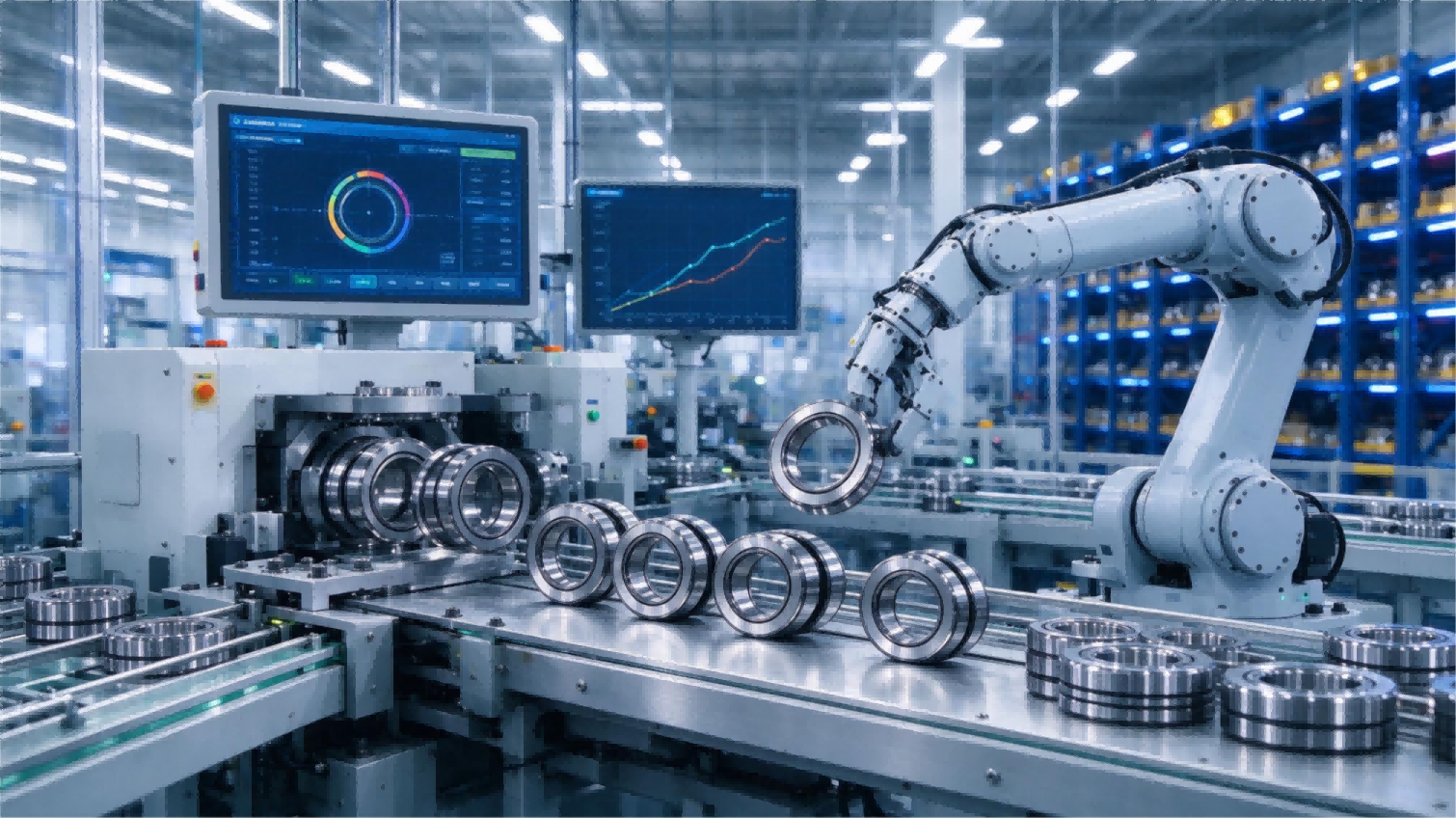
Leading manufacturers are increasingly adopting automated production lines, in-process inspection systems, and digital quality management tools to improve product consistency and manufacturing efficiency.
Digital traceability is also becoming an increasingly important consideration for major customers, particularly those requiring detailed batch records and quality documentation.
However, investment in automation, advanced inspection equipment, and digital infrastructure can increase manufacturing costs. Buyers should assess whether these capabilities deliver measurable benefits in quality, consistency, and supply reliability that justify any price premium.
Frequently Asked Questions (FAQ)
Q1: How Can I Identify a Legitimate Bearing Manufacturer?
Start by verifying the company's business license, relevant ISO certifications, and product inspection reports. Where possible, conduct an on-site factory audit or a virtual factory inspection.
You should also review export experience, customer references, manufacturing capabilities, and quality control procedures. Be cautious of quotations that are significantly below prevailing market levels, especially when the supplier cannot provide convincing documentation or verifiable production information.
Q2: Is There a Significant Quality Gap Between Chinese and Imported Bearings?
The answer depends on the manufacturer, product series, application, and operating conditions.
For many standard applications, well-manufactured Chinese bearings can offer competitive performance and cost advantages. However, applications involving extremely high precision, very high rotational speeds, or other demanding operating conditions may require products from established international brands or specialized manufacturers.
Rather than making purchasing decisions based solely on country of origin, buyers should evaluate technical specifications, verified performance, quality consistency, and total cost of ownership.
Q3: Can I Find a Bearing Manufacturer for Small-Quantity Orders?
Yes. Many Chinese bearing manufacturers accept small orders, with MOQs varying by bearing type, standardization, customization requirements, and production arrangements. Some standard products may be available in quantities of a few hundred pieces or fewer, while customized products may require higher minimum quantities.
Buyers can source manufacturers through B2B platforms, industry directories, trade shows, or direct supplier outreach. Requesting samples and verifying product quality before increasing order quantities is a practical way to establish a reliable supply relationship.
Q4: What Is the Typical Warranty Period for Bearings?
A warranty period of 12 months after delivery is one possible commercial arrangement, but there is no universal warranty period applicable to all bearings. Actual coverage depends on the manufacturer's policy, the contract terms, and the intended application.
Buyers should confirm the warranty start date, coverage conditions, exclusions, and procedures for handling quality claims before placing an order.
If premature bearing failure occurs, retain the failed bearing where possible, along with installation records, operating data, photographs, lubrication details, and maintenance history. This information can help the manufacturer investigate the root cause and determine whether repair, replacement, or compensation is appropriate under the agreed terms.
Q5: What Should I Consider When Ordering Customized Bearings?
Provide complete technical drawings and operating parameters, including dimensions, tolerances, material specifications, load conditions, rotational speed, temperature range, lubrication requirements, and sealing configuration.
Clearly define packaging, inspection, testing, and acceptance criteria. Request inspection reports and trial-fitting or test results where applicable.
Before production begins, confirm tooling and development costs, sample charges, minimum order quantities, lead times, intellectual property arrangements, and ownership of any custom tooling. These details help prevent misunderstandings and ensure that the final product meets the intended application requirements.
Choosing a reliable bearing manufacturer requires more than comparing prices. By verifying certifications, evaluating manufacturing and testing capabilities, validating samples, and assessing delivery performance and after-sales support, buyers can reduce procurement risks and build more dependable long-term supplier relationships.
what to consider when sourcing bearings from china
Related Article
